How new-construction window labor commonly pushes project costs up 15-20%
The data suggests many builders and homeowners underestimate labor costs when planning new-construction window installs. Industry surveys and contractor reports show that labor can account for 25% to 45% of the total installed price for windows in a new build. When you add the higher material cost of triple pane glazing - typically 10% to 20% more than double pane - the combined effect is a sticker shock most budgets don't account for.
What does that look like in dollars? For a modest 2,000-square-foot house with 20 windows, a mid-range double-pane package might land at $12,000 installed. Swap to a comparable triple-pane system and the materials alone can add $1,200 to $2,400. Mix in underestimated labor, site complexities, and sealing and trim work, and the real installed cost often climbs another 10% to 20% beyond the material premium. Evidence indicates that the final invoice for triple-pane installs can be up to 20% higher than a straightforward comparison of glass costs would suggest.
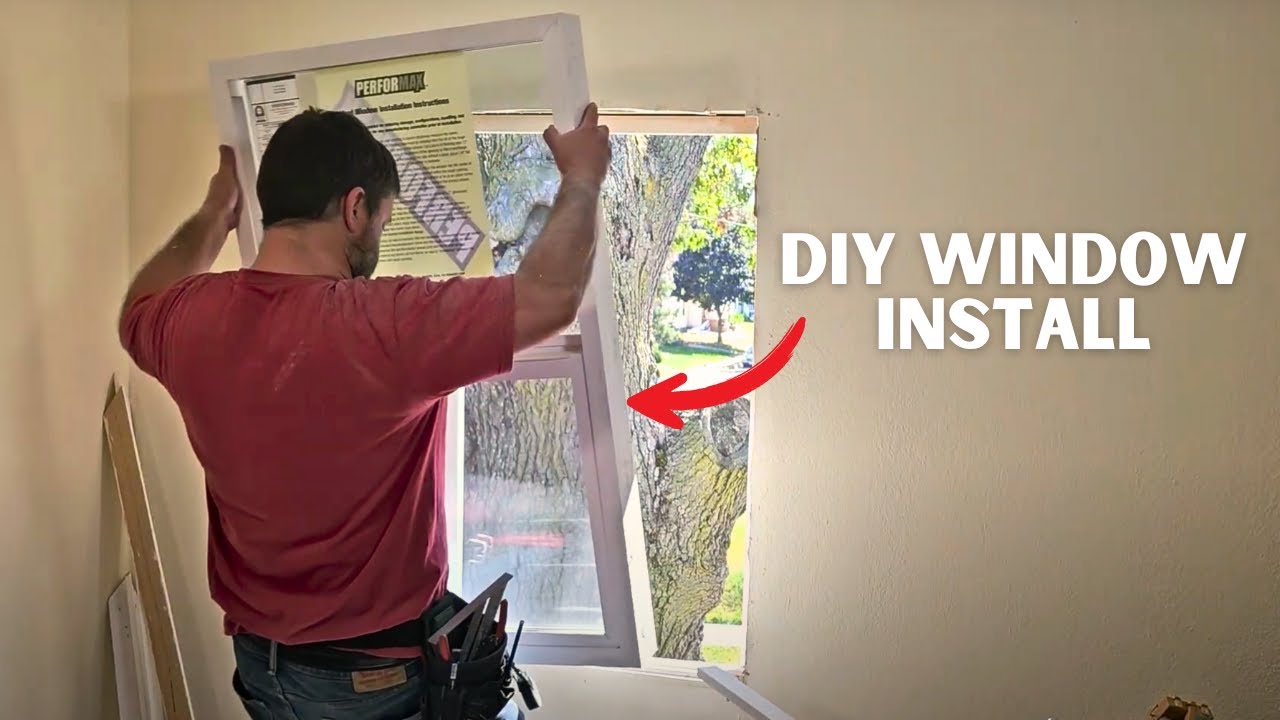
Why are so many estimates off? Part of it is habit: project budgets often assume "standard" labor rates and a perfect site. Analysis reveals that new-construction sites are rarely perfect - scaffolding, coordination with trades, window rough-opening misalignments, and extra weatherproofing all add time. That time becomes labor dollars.
5 key factors that determine the true cost of installing triple pane windows
Which parts of a window project drive cost most? Asking that question early prevents surprises. Here are the central components to watch and measure:
- Material premium for glazing and frame: Triple glazing itself costs more. High-performance frames that complement triple glass add further expense. Labor hours and skill level: Installation time varies by crew experience, complexity of openings, and whether specialized handling or heavier units require more people. Site conditions and staging: New builds with limited access, scaffolding needs, or tight schedules increase time on site and coordination overhead. Air and water sealing requirements: High-performance windows need careful flashing, membrane integration, and often spray foam or backer rod work. Finish carpentry and trim: Interior and exterior finishing work is often underestimated and billed separately or rolled into change orders.
How do these factors interact? Analysis reveals that the material premium compounds with labor. Even if triple pane glass costs 15% more, a 20% longer install time yields a far larger total percentage increase in project cost. The data suggests you should treat glazing and installation as a single system, not discrete budget line items.
Why underestimating labor for triple pane windows blows budgets: evidence and real examples
What happens on the job when installers encounter triple-pane units? First, they are heavier and more rigid than double-pane units. That affects handling, hoisting, and set time. Contractors report needing an extra person for each crew when installing larger triple-pane units in two-story elevations. That increases labor hours per window by 10% to 30% depending on size and elevation.
Here are two short case examples from recent projects to illustrate common pitfalls.
Case example A: Suburban new build with compact openings
Project scope: 18 windows, mostly 36"x60", standard fiberglass frames, triple-pane. Initial estimate: $10,800 (materials $6,000, labor $4,800). Reality: Freight damage to two units, extra flashing around cantilevered bay, and one out-of-square opening. Actual cost: $13,200. Analysis reveals labor https://www.todayville.com/when-its-time-to-consider-new-windows-heres-what-you-need-to-know/ increased by 40% due to reordering, additional flashing, and on-site adjustments.
Case example B: Custom two-story with large fixed glazing
Project scope: 12 windows including three 6'x8' fixed panes. Initial estimate: $18,500 (materials $12,000, labor $6,500). Reality: Need for a small crane, extra rigging crew, and custom interior trim. Actual cost: $23,750. Evidence indicates specialized lifts and coordination with roofers and framers added nearly $5,250 to the job.
What do these examples tell us? They show the difference between a simple materials comparison and the full installed cost. The data suggests that the more your project deviates from simple, single-story, standard-size openings, the more likely labor will dominate the extra cost of triple glazing.
What experienced contractors know about estimating triple pane window jobs that most homeowners don’t
Contractors who run into these projects frequently develop mental checklists that help keep estimates closer to reality. What do they check? They look beyond the sticker price to site logistics, sequencing with other trades, and warranty sealing details. Asking the right questions early can reveal hidden time sinks.
- Are openings square and plumb? Out-of-square openings require shim work and custom jambs, adding hours. Is there staged access for lifts or scaffolding? If not, plan for crane or scaffolding rental and the crew to set it up. Will the windows be installed before or after siding and brick? Installing before siding can be faster but requires complete flashing integration. Who handles interior finish? If the window crew does trim, that adds specialized carpentry hours; if the finish crew does it later, you may still pay a premium for coordination. What is the performance target? A higher R-value or strict air infiltration spec means more meticulous sealing and testing, longer install time, and possibly third-party verification.
Analysis reveals that experienced estimators treat warranty and performance as labor multipliers. Higher performance targets rarely change material cost dramatically but can multiply labor by 1.1 to 1.5 times when thorough sealing, testing, and documentation are required.
7 practical steps to accurately budget for triple pane windows on new construction
The data suggests that upfront planning and clear scoping cut surprises. Use these measurable steps to get closer to a true installed cost:
Measure openings precisely and include tolerance allowances. Add a contingency of 3% to 7% of labor for out-of-square adjustments; larger homes should expect 5%+. Request line-item bids that separate material, standard labor, premium access, and finish carpentry. Compare bids on the same scope - one bidder might roll trimming into the labor line while another prices it separately. Account for unit weight and handling. For windows heavier than 150 pounds, budget an extra 0.5 to 1 hour per unit for rigging and handling, or plan crane/lift rental costs. Plan access and staging up front. Scaffolding or lift rental can add $500 to $2,000 depending on duration; include those figures rather than assuming "crew will manage." Specify air and water sealing standards. If you want a tight envelope, add an explicit line item for flashing, membranes, and testing; expect 10% to 35% more install time for higher standards. Include freight and potential replacement allowances. Damaged units create lead-time delays that force re-scheduling and extra labor; budget 2% to 5% of total materials as a contingency. Ask about productivity rates and crew composition. A two-person crew will perform differently from a four-person crew. Get hourly production numbers to convert to realistic labor hours.How do you convert this into a working budget? Here is a simple formula you can use as a starting point:
Item Assumed Cost per Window Material - double pane $600 Material - triple pane (+15%) $690 Base installation labor $300 Labor premium for triple pane (+20% handling/rigging) $360 Sealing, flashing, trim $150 Contingency (5-10%) $70-$130Using the table above, the installed price per double-pane window would be roughly $1,050. The installed price per triple-pane window climbs to roughly $1,350 - a near 29% increase once labor premiums and sealing are included. Evidence indicates that this kind of compounding effect is why triple-pane jobs frequently exceed simple material-based estimates by double-digit percentages.
Cost comparisons, value questions, and when triple pane makes sense
Have you asked the right performance questions? Triple pane glazing improves thermal performance and reduces sound transmission. But does every project need it?
- In cold climates with long heating seasons, the improved R-value reduces energy use and may pay back the extra cost over time. On noisy urban sites, triple glazing can materially improve occupant comfort—sometimes justifying the price for specific rooms like bedrooms or home offices. On mild-climate new builds, the incremental energy savings may be marginal compared to well-installed double-pane high-performance units with proper frames and sealing.
Comparisons indicate that the return on investment for triple pane is context-dependent. Ask: What are the heating and cooling loads? What is the local climate? How important is acoustic performance? These questions guide whether the higher installed cost is a sensible investment.
Comprehensive summary: What to budget, what to ask, and how to control surprises
The data suggests triple-pane windows cost more than the glass alone. Analysis reveals labor, site logistics, sealing requirements, and finishing multiply apparent material premiums. Evidence indicates that in many new-construction projects, the installed cost of triple-pane windows can be 20% to 30% higher than comparable double-pane installations once all factors are counted.
To control costs, do this: scope precisely, request detailed bids, budget for access and handling, specify sealing and performance targets, and include a contingency of 5% to 10% to cover site realities. Ask your estimator about crew productivity rates, unit weights, and how they plan to coordinate access with other trades. Demand line-item pricing so you can compare apples to apples.
Still unsure? Ask yourself these questions:

- Do I need the extra thermal or acoustic performance where the windows will be located? Is my site likely to require scaffolding, lifts, or crane work? Am I willing to pay for rigorous flashing and third-party testing, or do I prefer a standard install? Have I included freight and potential re-order costs in my budget?
Answering those questions ahead of time reduces the chance of an unpleasant change order later.
Final takeaway: Treat windows as a system, not a single line item
Bottom line: Triple-pane glazing is more than a glass upgrade. The data suggests its true cost shows up in labor, logistics, and finishing. Contractors who succeed at predicting installed cost treat the project as a system - materials, handling, weatherproofing, and finish work combined. If you want a reliable budget, start with precise measurements, ask for detailed line-item estimates, and plan contingencies for the realities of a new construction site.
Do you want help converting your window schedule into a realistic budget? What performance targets matter most to you - thermal, acoustic, or both? If you share a basic window schedule and your climate zone, I can walk you through a tailored cost estimate and a checklist contractors should include in their bids.